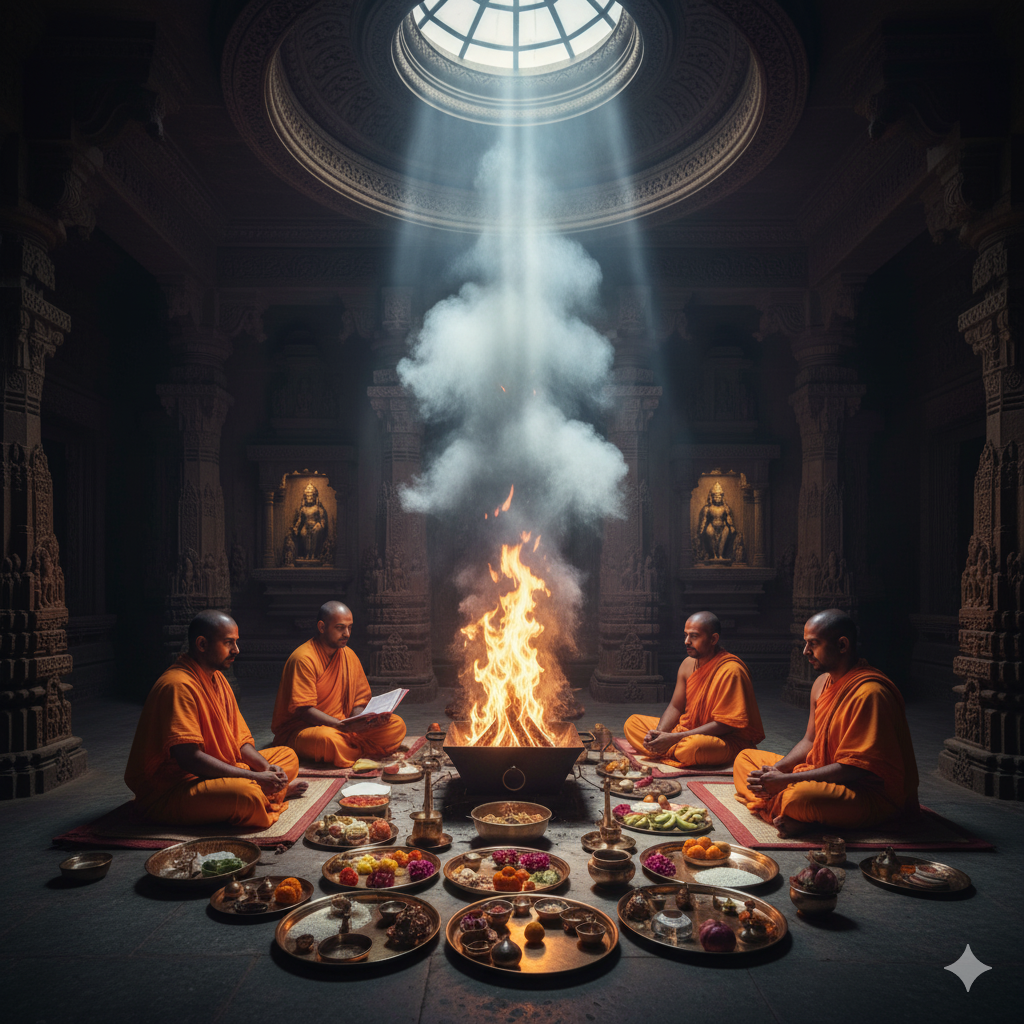
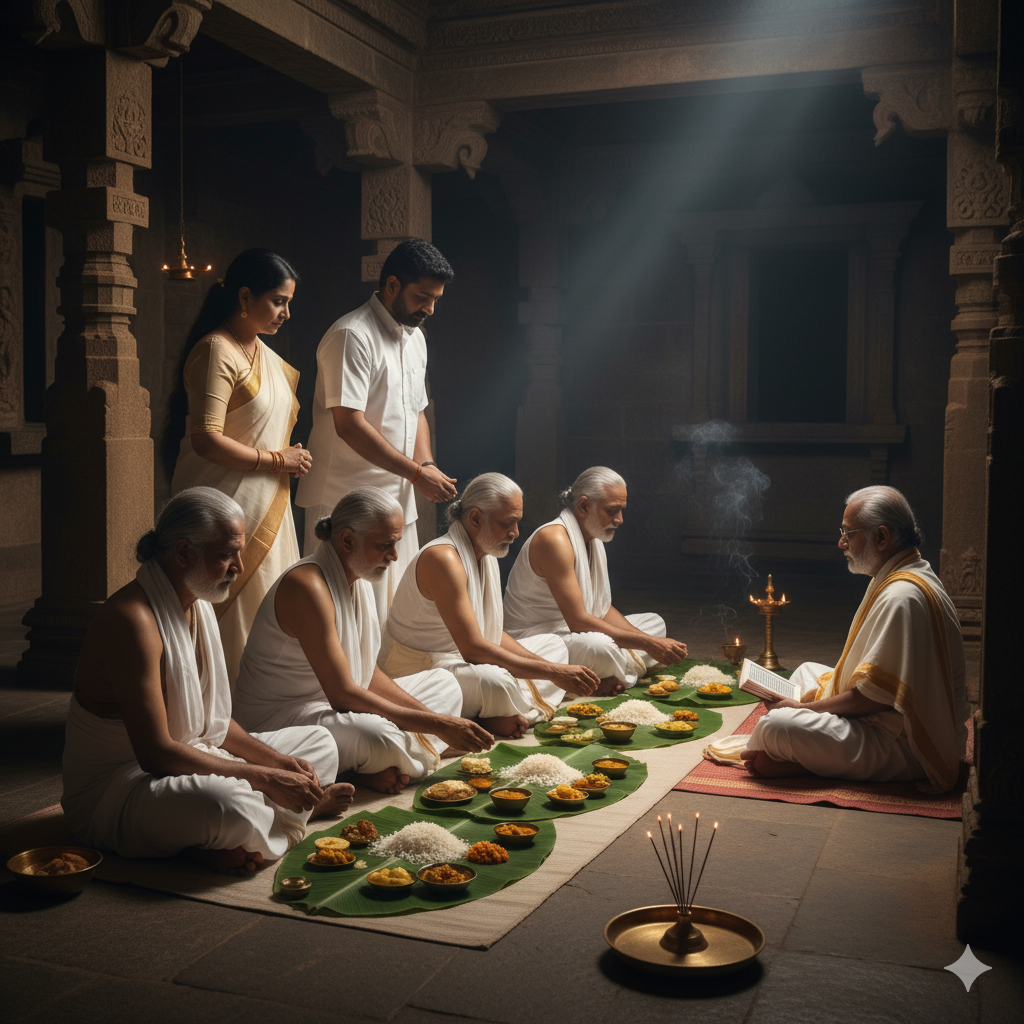

In Vedic traditions, honoring our ancestors (pitras) is considered one of the most sacred duties. When the souls of ancestors are not satisfied due to missed or incomplete rituals, it creates disturbances in family life, health, and prosperity. To overcome such challenges, the Tripindi Shradha is performed.
Tripindi Shradha is a special Vedic ritual that helps pacify the souls of departed ancestors and relieve the family from Pitra Dosh. By performing this puja with devotion, families invite peace, prosperity, and blessings from their lineage.
What is Tripindi Shradha?
The word “Shradha” means performing rites for ancestors with faith, while “Tripindi” signifies offering pindas (rice balls mixed with sesame, barley, and ghee) to three generations of ancestors — father, grandfather, and great-grandfather (along with their spouses).
Tripindi Shradha is performed when:
• Regular Shradh rituals were missed for years.
• There is an imbalance or disturbance caused by unsatisfied souls.
• A family faces continuous obstacles, health issues, or financial problems due to Pitra Dosh.
Importance of Tripindi Shradha
• Pacifies Ancestors’ Souls: Helps departed ancestors attain peace and liberation.
• Removes Pitra Dosh: Balances karmic debts and eliminates ancestral curses.
• Ensures Family Prosperity: Invites wealth, success, and growth.
• Brings Harmony: Reduces conflicts within family members.
• Spiritual Upliftment: Connects devotees with divine blessings through honoring lineage.
When Should Tripindi Shradha Be Performed?
• During Pitru Paksha (15 days dedicated to ancestors, usually in September–October).
• On Amavasya (new moon day).
• On auspicious days like Mahashivratri, Gudi Padwa, or Grahan (eclipse).
• If family astrologer or priest recommends due to presence of Pitra Dosh in horoscope.
Items Required for
Tripindi Shradha
• Black sesame seeds, barley, and rice
• Ghee and honey
• Flowers, sandalwood, and incense sticks
• Water and sacred grass (kush)
• Fruits, sweets, and coconuts
• Pindas (made from rice, sesame, barley, ghee, and honey)
Procedure of Tripindi Shradha
Step 1: Sankalpa (Resolution)
The priest and devotee declare the purpose of performing the ritual — usually for peace of ancestors’ souls.
Step 2: Invocation of Ancestors
Mantras are recited to invite the souls of three generations of ancestors.
Step 3: Pinda Daan
Offerings (pindas) are made with rice, sesame, and barley mixed with ghee and honey.
Step 4: Tarpan (Offering Water)
Water mixed with sesame seeds is offered while chanting mantras to pacify ancestors.
Step 5: Havan (Fire Ritual)
Offerings are made into the sacred fire to purify the environment and send energy to ancestors.
Step 6: Donation and Feeding Brahmins
Brahmins are offered food, clothes, and dakshina. Feeding cows and the poor is also considered auspicious.
Benefits of Tripindi Shradha
Peace to
Ancestors
Helps souls of three generations attain satisfaction and blessings.
Removal of Pitra
Dosh
Neutralizes the effects of ancestral imbalance shown in the horoscope.
Good Health and Longevity
Protects family members from chronic diseases and sudden misfortunes.
Wealth and
Prosperity
Removes financial blockages and attracts abundance.
Family
Harmony
Reduces disputes, misunderstandings, and brings unity.
Who Should Perform
Tripindi Shradha?
• Families suffering from repeated misfortunes, health issues, or financial losses.
• Individuals with Pitra Dosh in their horoscope.
• Those who have not performed regular Shradh for their ancestors.
• Families wishing to honor and remember their departed loved ones with devotion.
Spiritual PerspectivE
Tripindi Shradha balances karmic debts and ensures the smooth journey of ancestors’ souls. By honoring them, devotees also open doors to divine blessings and spiritual growth.
Scientific Perspective
The ritual promotes mental peace, gratitude, and emotional healing. The act of charity (donating food and clothes) generates positivity and a sense of fulfillment, improving overall well-being.
Where can Tripindi Shradha be performed?
I It is best performed at sacred places like Trimbakeshwar (Nashik), Gaya, Prayagraj, or Kashi, but it can also be done at home under proper guidance.